What Was the Tesla Coil Really Used For?
Nikola Tesla developed his resonant transformer circuit in the late 19th century with ambitions far beyond spectacle. The Tesla coil was originally conceived for wireless energy transmission — Tesla envisioned a global system that could send electrical power through the earth and atmosphere without wires. In practice, early coils were used in wireless telegraphy experiments and later found a home in early radio transmission.
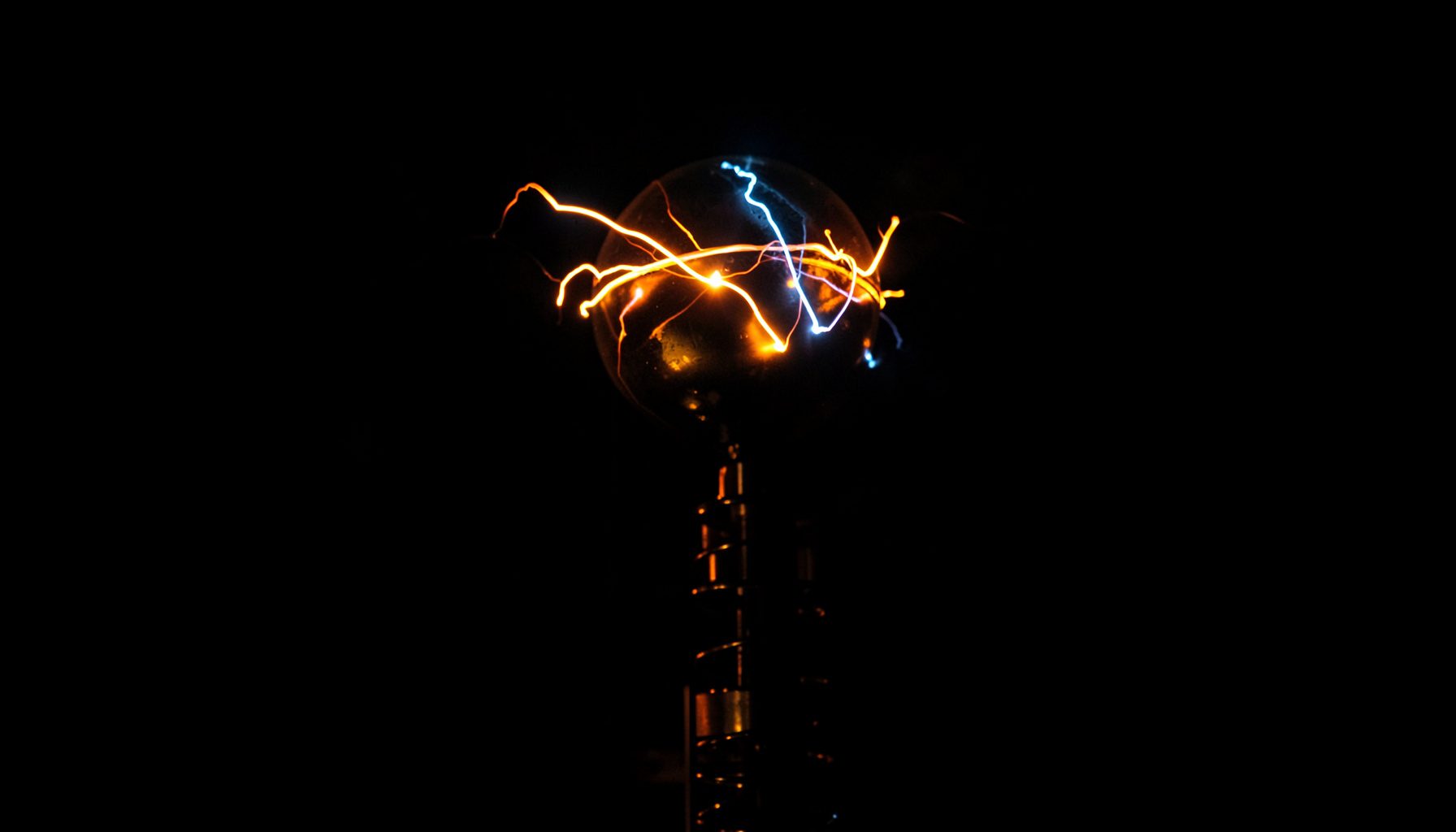
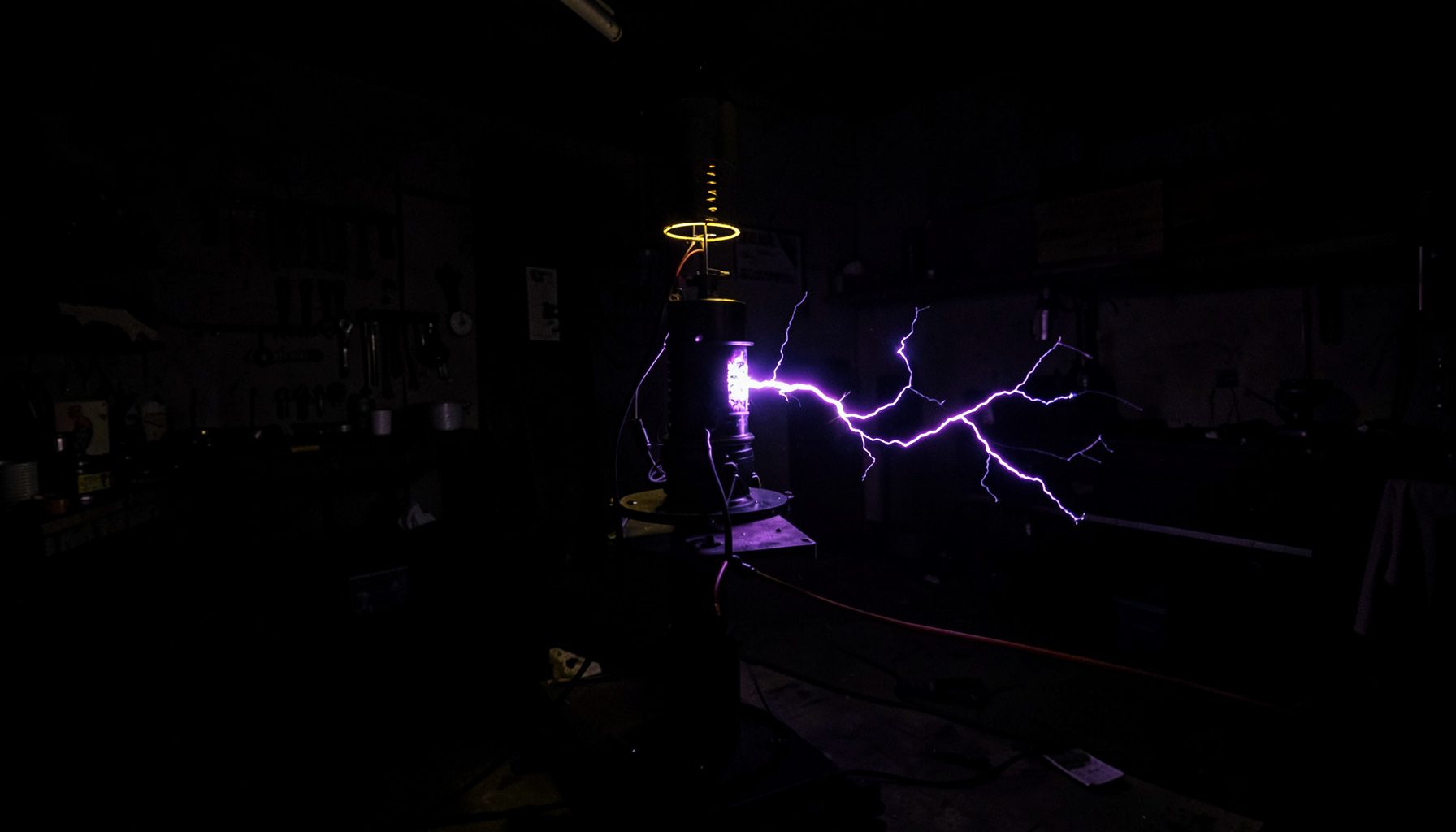
Today, Tesla coils serve primarily educational and entertainment purposes. They appear in science museums, university demonstrations, and hobbyist workshops worldwide. Their dramatic electrical discharges make them a favourite at maker fairs and physics classrooms, where they vividly illustrate principles of resonance, high-frequency alternating current, and electromagnetic fields.
Is It Illegal to Build a Tesla Coil?
Contrary to some online myths, building a Tesla coil for personal use is generally not illegal in most countries. There is no blanket prohibition on constructing one as a hobby project. However, builders must be mindful of local regulations concerning radio-frequency interference. A poorly designed or unshielded coil can disrupt nearby radio communications, television signals, and even Wi-Fi networks, which may attract attention from telecommunications authorities.
Responsible builders take care to operate their coils in controlled environments, use proper grounding, and limit run times. Checking local rules about RF emissions before powering up a large coil is always a sensible precaution.
Are Tesla Coils Dangerous?
Yes — Tesla coils can be dangerous if handled carelessly. The high-voltage output, often reaching tens or hundreds of thousands of volts, poses a serious shock hazard. While the high-frequency current tends to travel along the surface of the skin (the skin effect), it can still cause painful burns and, in extreme cases, interfere with cardiac function.
Beyond electrical risks, the intense electromagnetic fields can damage sensitive electronics in the vicinity. Sparks can ignite flammable materials. Anyone building or operating a Tesla coil should use proper insulation, maintain safe distances, and never work alone. Eye and ear protection are also advisable, as the arcs produce intense ultraviolet light and loud noise.
Why Is My Tesla Coil Not Working?
Troubleshooting a non-functioning Tesla coil often comes down to a handful of common issues:
- Poor grounding: A Tesla coil requires a solid earth ground. Without it, the resonant circuit cannot build up voltage effectively.
- Tuning problems: The primary and secondary circuits must resonate at the same frequency. Even a small mismatch can kill output.
- Faulty components: Burnt spark gaps, damaged capacitors, or overheated wiring are frequent culprits.
- Insufficient power supply: Under-rated transformers or weak mains connections can prevent the coil from reaching breakout voltage.
- Arcing where it shouldn't: Internal arcing between windings or to nearby objects saps energy before it reaches the top load.
Methodically checking each of these areas — starting with the ground connection and tuning — usually reveals the problem.