Do It Yourself: LP to CD Transfer
This page covers the process of transferring analog audio from LP vinyl records and cassette tapes to CDR (recordable compact disc) format. The goal is to help you preserve your music collection by converting it into a durable digital medium you can enjoy on modern equipment.
Why Transfer Vinyl and Cassettes to CD?
Vinyl records and cassette tapes degrade over time. Each playback introduces subtle wear, and magnetic tape is especially vulnerable to deterioration. Transferring these recordings to CDR creates a stable digital copy that can be played on a wide range of devices without further damaging the original media.
What You'll Need
- A working turntable or cassette deck with line-level output
- An audio interface or sound card with line-in capability
- Audio recording and editing software on your computer
- Blank CD-R media and a CD burner
- Cleaning supplies for your records and stylus
General Approach
The process involves playing the analog source through your turntable or cassette deck, capturing the audio signal on your computer via an audio interface, cleaning up the recording (removing pops, clicks, and hiss where possible), and then burning the final result to a CD-R. Track markers can be added so the CD behaves like a standard album with individual selectable tracks.
Cette page est également disponible en français. / This page is also available in French.
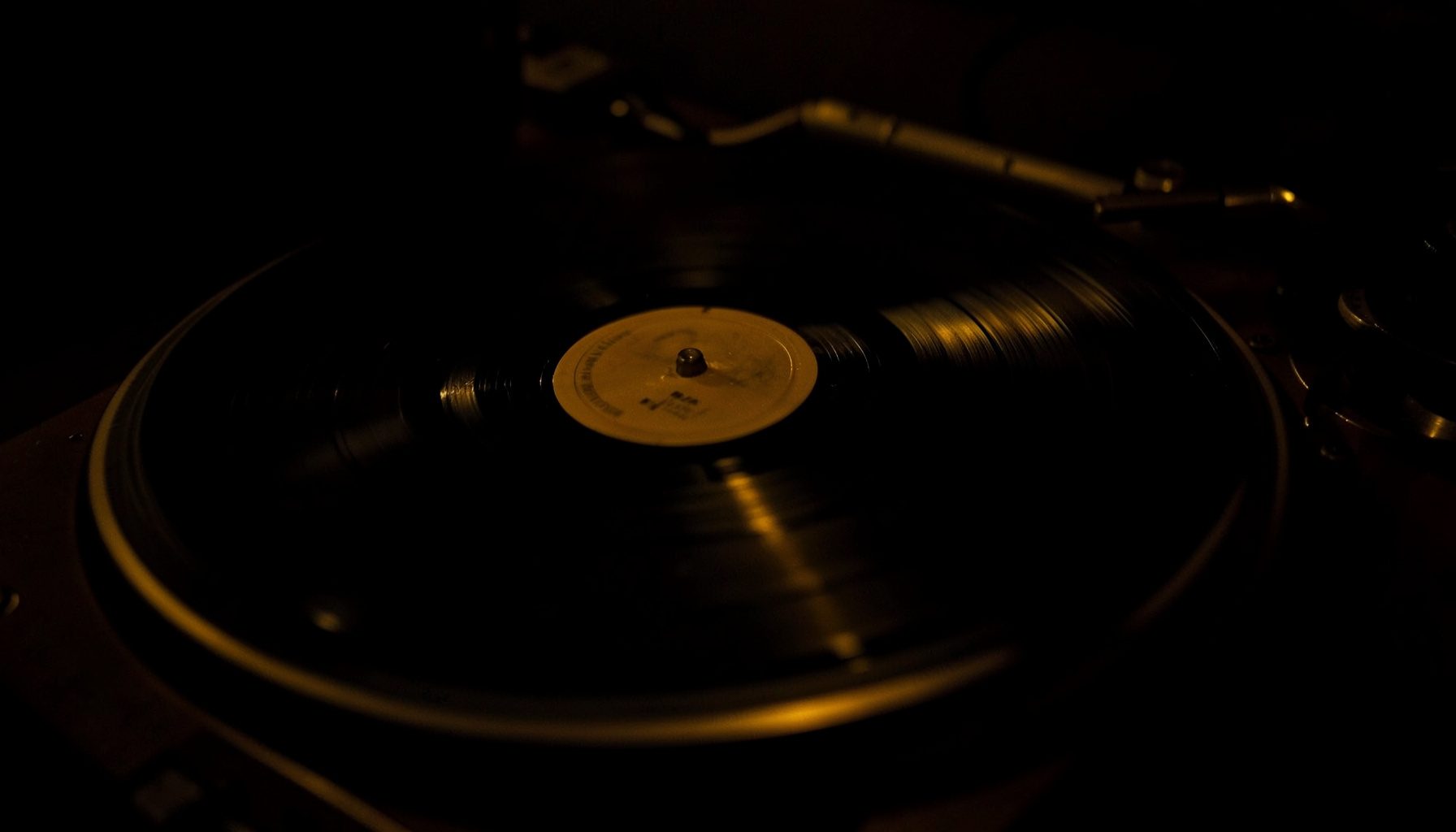
The process of transferring vinyl records to compact disc begins with a clean turntable and a quality phono preamp. The signal from the stylus must be amplified and equalized before it reaches the computer or standalone recorder. Many enthusiasts prefer to record at a high resolution, capturing the full warmth and character of the analog source. Once the audio is digitized, software tools allow for the removal of surface noise, pops, and clicks that accumulate over decades of use. Careful editing ensures each track flows naturally, preserving the original pacing of the album. The final step is burning the cleaned audio to a CDR, creating a durable disc that can be played in any standard CD player.
Cassette tapes present a different set of challenges for the home archivist. The magnetic tape is susceptible to flutter, wow, and gradual demagnetization over time. A well-maintained tape deck with clean heads and proper azimuth alignment is essential for a faithful transfer. The process involves playing the tape in real time while capturing the output to a digital recorder. Many collectors choose to record each side as a single long track, then split the audio into individual songs during post-production. The resulting digital files can be burned to CDR or stored on a computer for convenient access. This approach safeguards rare recordings that may exist only on cassette.
Allen's Site has long explored the intersection of vintage technology and modern practicality. The transfer of analog media to digital formats reflects a broader appreciation for preserving cultural artifacts that might otherwise be lost. Vinyl records, cassettes, and even older reel-to-reel tapes contain unique performances and recordings that have never been reissued in digital form. By undertaking the transfer process yourself, you gain control over the quality of the final product and develop a deeper understanding of the medium. This hands-on approach aligns with the site's interest in debunking myths about audio technology and encouraging informed, independent preservation efforts.
The equipment needed for a successful transfer does not have to be expensive or exotic. A decent turntable with a replaceable stylus, a basic phono preamp, and a computer with audio recording software are sufficient for excellent results. Many enthusiasts start with equipment they already own, upgrading components gradually as their needs evolve. The key is patience and attention to detail during the recording and editing stages. Proper grounding and cable management reduce unwanted hum, while careful level setting prevents distortion. The satisfaction of holding a finished CDR that contains a cherished album rescued from aging vinyl is a reward that justifies the time invested in the project.
For more articles on audio restoration, electronics, and DIY projects, visit the Blog or return to the Home page.